Vapor sensors are becoming increasingly common in various sectors, from workplaces to educational institutions. With the growing concern about vaping and its effects, understanding vapor sensors—or vape detectors—has never been more vital. But what exactly are these devices? How do they work? And why are they becoming indispensable in managing environments where vaping might occur?
In this Beginner's Guide to Understanding Vapor Sensors and Their Uses, we’ll explore everything you need to know about these innovative tools, their technology, applications, benefits, and much more!
What is a Vapor Sensor?
A vapor sensor is a device designed to detect the presence of vapors in the air. Typically associated with electronic cigarette (e-cigarette) usage or other forms of vaping, these sensors can identify specific chemical compounds emitted when vaping occurs.
How Do Vapor Sensors Work?
Vapor sensors operate using advanced detection technologies. Many rely on an array of chemical sensors that analyze airborne particles. When vapor is detected, the system triggers an alert or alarm.
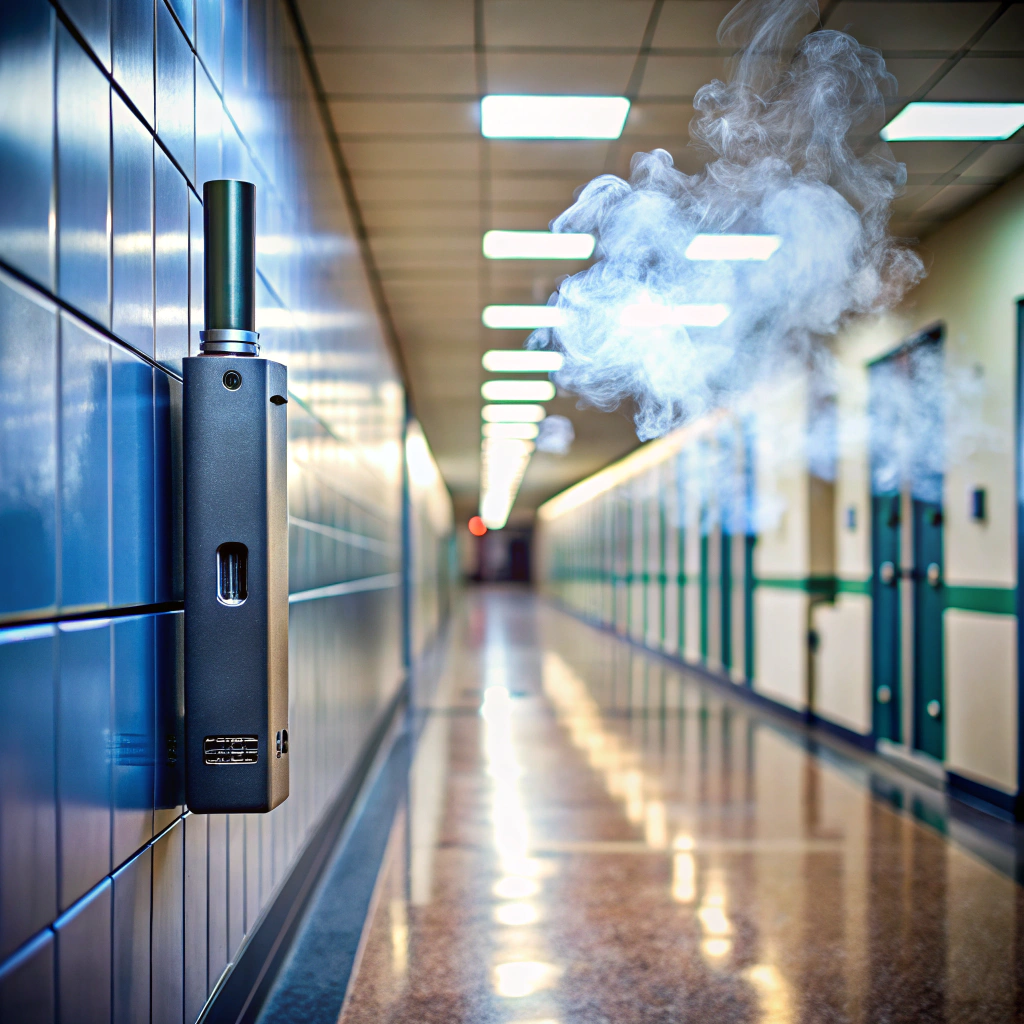
- Chemical Sensing: These sensors often utilize metal oxide semiconductor (MOS) technology or photoionization detectors (PID). Each method has its unique merits and applications. Threshold Levels: Most vapor detectors have predefined threshold levels that trigger alerts when exceeded.
Why Are Vapor Sensors Important?
As vaping becomes more prevalent, especially among younger demographics, monitoring its use in public spaces is crucial for health and safety reasons. Schools, workplaces, and even healthcare facilities are increasingly implementing these devices to maintain a healthy environment.
Applications of Vapor Sensors
1. Educational Institutions
Vapor sensors are particularly useful in schools where there’s a rising concern over student vaping. By installing vape detectors in restrooms or hallways, schools can actively monitor usage and promote healthier habits.
2. Workplaces
Many companies are adopting vapor sensors to ensure a smoke-free environment for all employees. This not only promotes health but also aligns with corporate policies aimed at reducing smoking-related liabilities.
3. Healthcare Facilities
In hospitals and clinics, maintaining a clean air environment is critical for patient recovery. Vape detectors can help ensure compliance with no-smoking policies.
4. Public Transport
Transport authorities may install vapor sensors in buses or trains to discourage smoking or vaping in enclosed spaces—ensuring a pleasant journey for all passengers.
Types of Vapor Sensors
Understanding the types of vapor sensors available can help you choose the right one for your needs.
1. Metal Oxide Semiconductor (MOS) Sensors
These sensors detect changes in electrical resistance caused by vapor molecules interacting with the sensor surface.
Advantages:
- Low power consumption High sensitivity
Disadvantages:
- Can be affected by humidity levels
2. Photoionization Detectors (PID)
PIDs use ultraviolet light to ionize gas molecules and detect them based on their electrical conductivity.
Advantages:
- Quick response time Effective against various volatile organic compounds (VOCs)
Disadvantages:
- More expensive than MOS sensors
Features to Look For in a Vape Detector
When selecting a vape detector, consider the following features:
1. Sensitivity Levels
Different environments may require varying sensitivity levels depending on how discreetly you want detection to occur.
2. Alert Systems
Choose systems that provide multiple alert types—visual alarms, sound alerts, or notifications sent directly to your smartphone.
3. Connectivity Options
Some modern vape detectors come with Wi-Fi connectivity options allowing remote monitoring through apps.
Benefits of Using Vapor Sensors
There’s no shortage of advantages when it comes to vape detector technology incorporating vapor sensors into different settings:
1. Health Benefits
By discouraging vaping through detection, environments can promote healthier lifestyles among students and employees alike.
2. Legal Compliance
Using vape detectors helps organizations comply with local regulations related to smoking and vaping inside buildings.
3. Peace of Mind
Knowing that there’s an active monitoring system gives everyone peace of mind regarding air quality concerns.
A Beginner's Guide to Understanding Vapor Sensors and Their Uses: Installation Tips
Installing a vapor sensor requires careful consideration:
1. Choose Optimal Locations
Identify areas where vaping is most likely to occur—like restrooms or break rooms—and place the detectors strategically there.
2. Regular Maintenance Checks
Routine maintenance ensures that your devices remain functional over time; check batteries regularly if applicable!
Common Misconceptions About Vapor Sensors
Let’s tackle some myths surrounding these innovative devices:
1: "Vapor Sensors Can Detect All Types of Smoke"
Truth: While they excel at detecting vapors from e-cigarettes, traditional smoke from combustible materials may require different detection technologies entirely.
2: "They're Only Useful for Schools"
Truth: Organizations across various sectors can benefit from these devices as they contribute significantly towards maintaining clean air quality standards.
FAQ Section
1: What exactly does a vape detector do?
A vape detector senses vapor emissions produced by e-cigarettes or other vaping products within an area.
2: Are vapor sensors effective in detecting marijuana smoke?
While primarily designed for e-cigarette vapors, some models can also detect marijuana smoke depending on their sensitivity settings.
3: Can I install vape detectors myself?
Yes! Most models come with easy-to-follow installation instructions suitable for DIY enthusiasts; however consult professionals if you’re uncertain!
4: How often should I test my vape detector?
Regular testing every few weeks ensures your device operates correctly; follow manufacturer guidelines for specific recommendations!
5: Are there any privacy concerns with using these devices?
Most modern systems respect privacy laws while still operating effectively; inquire about data storage practices before purchasing!
6: What happens when vapor is detected?
Typically an alarm will sound or notification sent out indicating potential issues requiring further investigation!
Conclusion
In summary, this guide serves as a comprehensive introduction into understanding how vapor sensors work along with their myriad uses across different sectors—from schools seeking healthier environments for students to workplaces enforcing no-smoking policies effectively! As we continue navigating our way through evolving societal norms around smoking habits—being informed about tools like vape detectors empowers us towards creating safer spaces collectively!
This beginner’s guide aims at demystifying vapor sensors while showcasing their importance & practicality across numerous domains! If you're considering investing in one—or simply wish to learn more—there’s no better time than now! Stay informed & stay safe!